
The Science Behind Condensation on Windows (And What It Might Mean for Your Home)
Jun 17, 2026
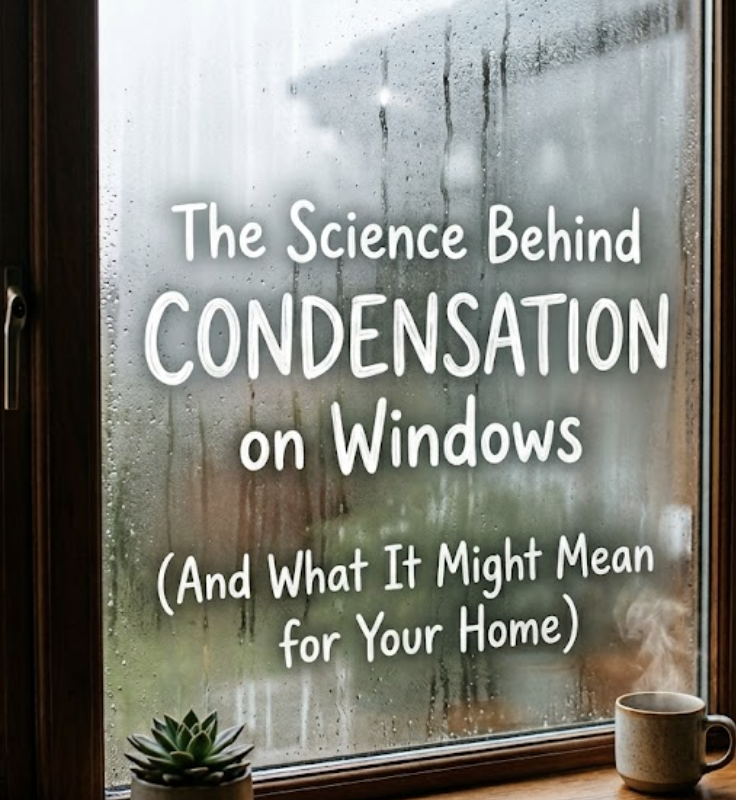
Condensation on windows is common, and many homeowners notice it often, especially during temperature swings. While it might not seem like something to pay much attention to, condensation can actually reveal important information about the condition of your windows.
Condensation forms when warm or humid air comes into contact with a cooler surface. This is similar to an ice-cold drink on a hot day. The same principle applies to your windows. During winter, warm indoor air can create moisture on the inside of glass. During summer, humid outdoor air can create condensation on the exterior of windows.
Not all condensation is a cause for concern. In fact, occasional condensation on the outside of windows can indicate that your windows are doing a good job of insulating your home. However, persistent condensation on the inside of a home may signal excessive indoor humidity, poor ventilation, or windows that are no longer performing as they should.
One of the biggest warning signs that condensation is the sign of a bigger problem is when it appears between the panes of glass. Modern double and triple-pane windows are designed with sealed air spaces between the panes. If moisture develops inside that space, it can mean that the seal has failed. Once this happens, the window loses a lot of its insulating ability, reducing energy efficiency, even leading to higher heating and cooling costs.
Older windows can also contribute to drafts, uneven temperatures, and moisture buildup. If you often notice foggy glass or water collecting on window sills, it may be time to consider replacement windows.
At CR3 American Exteriors, we help homeowners determine whether window condensation is simply a humidity issue or a sign that their windows are reaching the end of their lifespan. Our team can assess your home’s exterior and recommend energy-efficient solutions designed to improve comfort, reduce energy costs, and protect your investment for years to come.