
Vines and creeping plants may look nice and add charm and greenery to a home’s exterior, but they can also create many problems for your siding over time. At CR3 American Exteriors, we have seen it all throughout the years, and we know how to identify potential issues that homeowners may not know to look for.
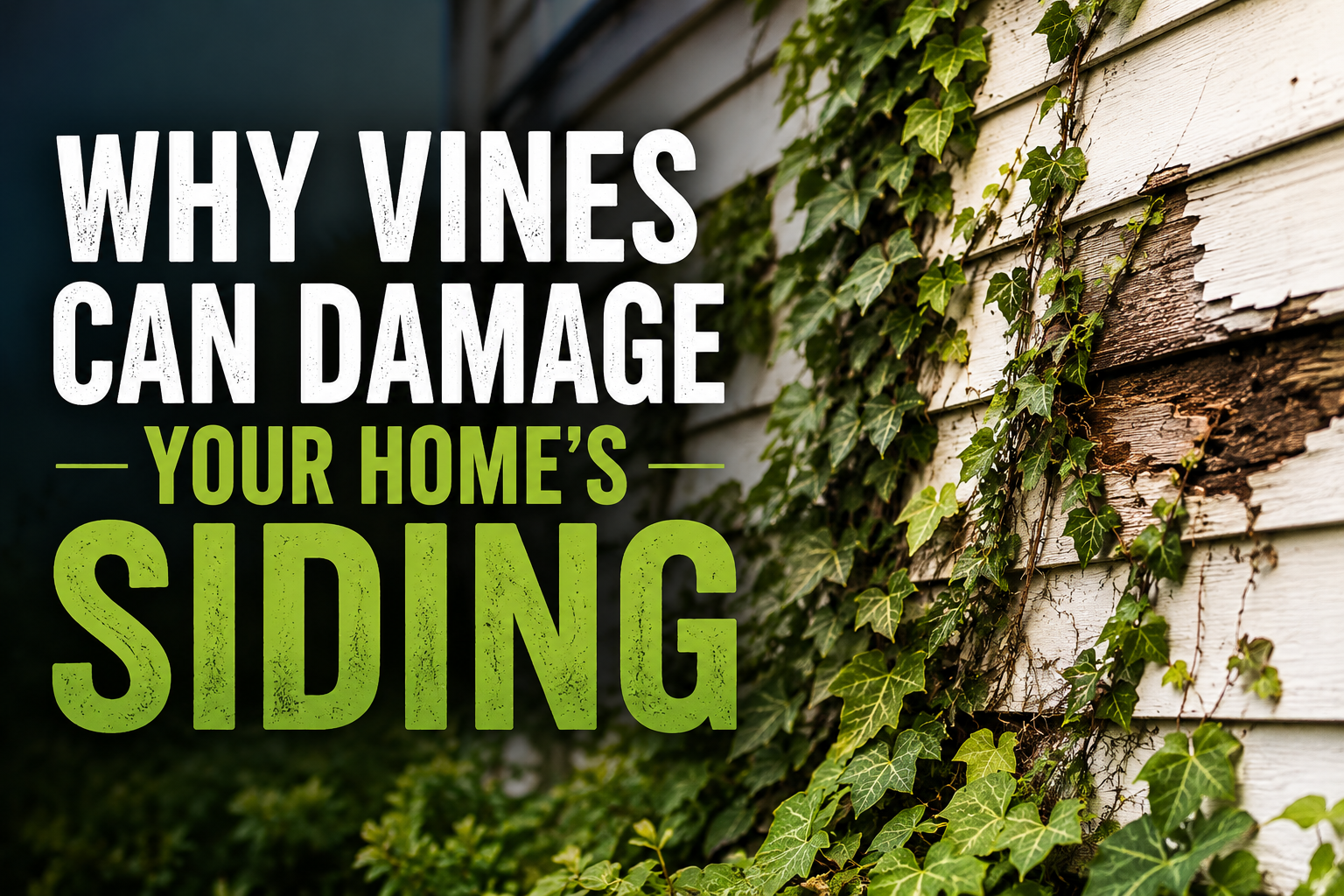
Climbing plants— such as English ivy, Virginia creeper, and climbing hydrangea— can actually grow up the side of a house, attaching themselves with roots that act as adhesives. As they continue to grow, they can pull at siding more and more, creating tiny cracks where water can seep in.
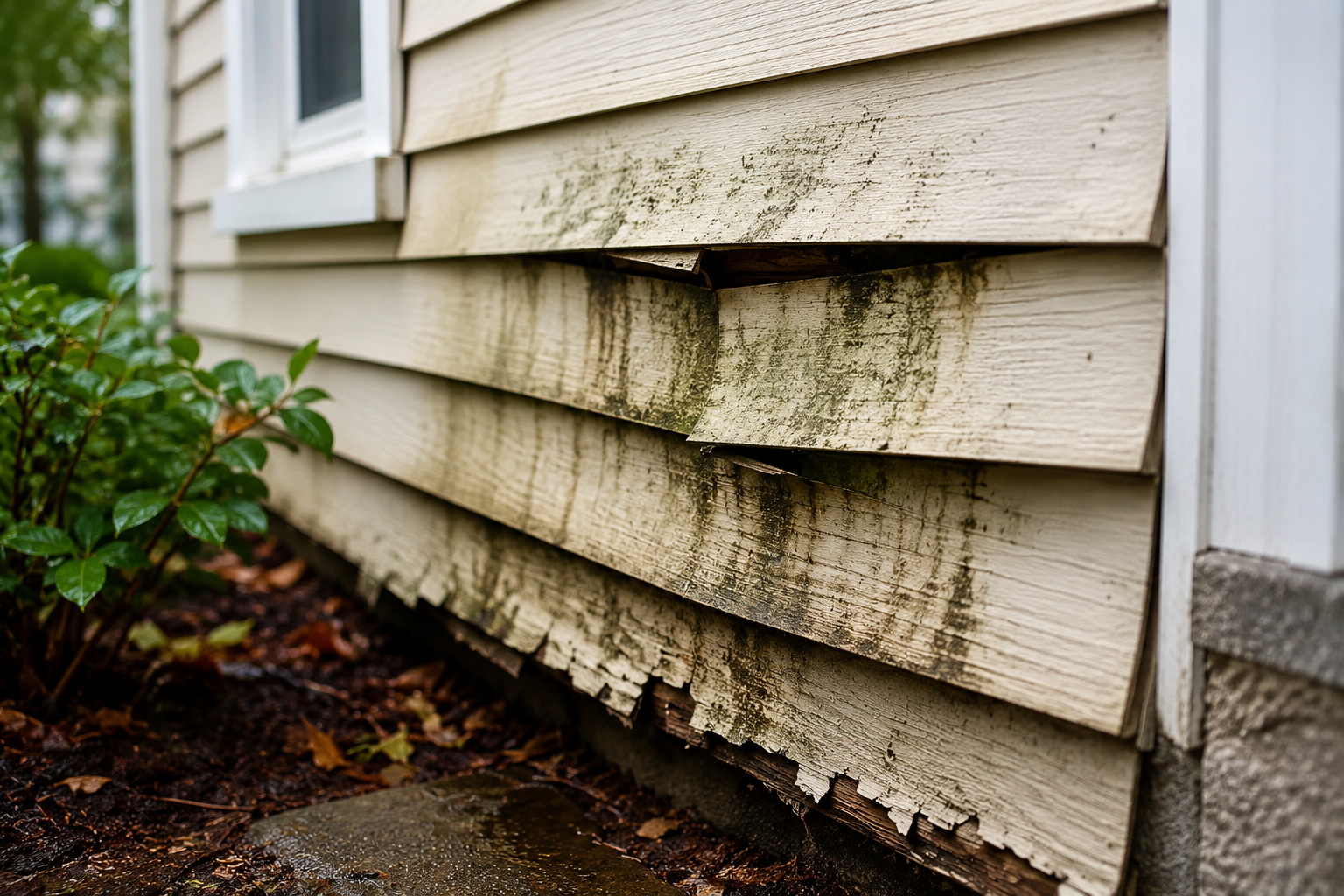
Vines also have the risk of moisture retention. When they grow directly against your home, they can trap water and humidity against the surface. Instead of drying properly after rain or morning dew, moisture can stay locked in place. Over time, this can lead to mold, mildew, rot, and deterioration.
Creeping plants can also hide exterior problems, making them more difficult to spot. When leaves cover issues, they can worsen without the homeowner’s knowledge. Vines can even create pathways for pests and insects to reach the home easier.
Another challenge presents itself when it is time to remove vines. Pulling them off of siding can strip paint, damage panels, and even leave stains behind. In some cases, homeowners discover major hidden damage only after the plants are removed.
If you love the look of climbing plants, the safest option is to keep them on trellises or fences, positioned away from siding. Regular trimming and exterior inspections can also help prevent long-term damage.
At CR3 American Exteriors, we help homeowners protect and maintain their home’s exterior with expert inspections, repairs, and replacement services. Keeping vines under control is one easy way to extend the life of your home’s exterior.